
Pact for Skills
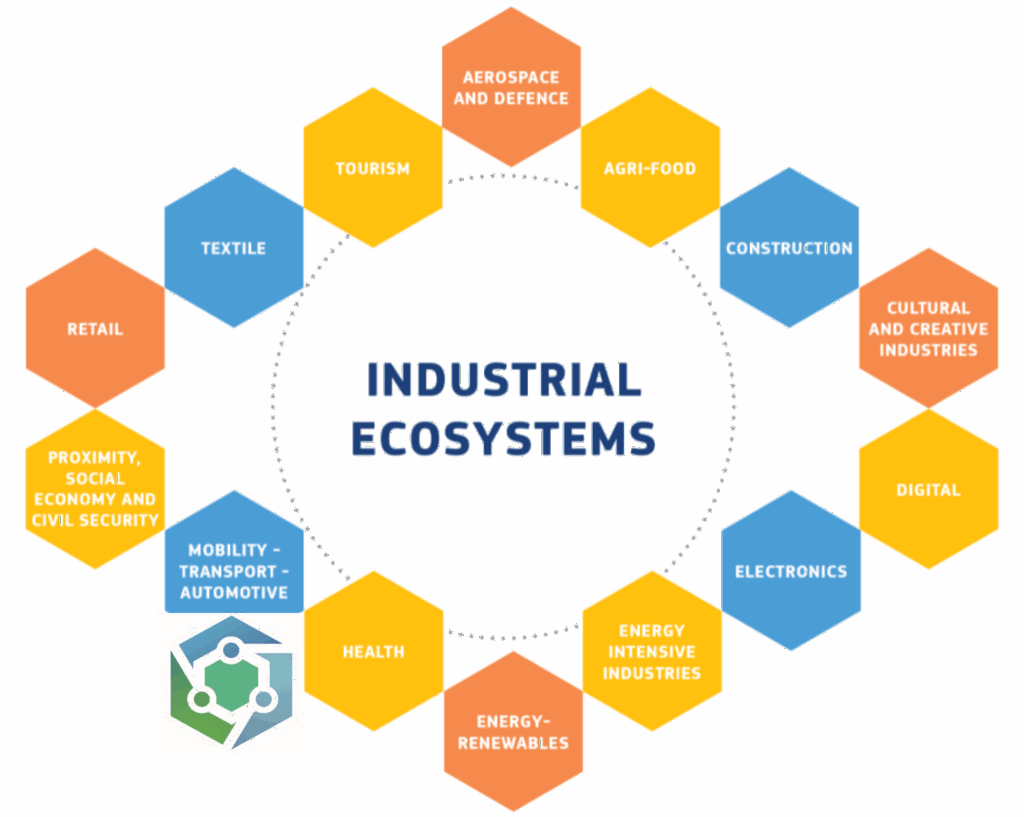
Within the EU Pact for Skills, the Automotive Skills Alliance (ASA) coordinates the large-scale partnership for the Mobility–Transport–Automotive ecosystem. It brings together industry, education and other stakeholders to identify skills needs, develop training and support skills recognition, advancing upskilling and reskilling across the sector.
Through the Regional Skills Partnership, ASA connects regional authorities, training providers, SMEs and clusters to translate these ambitions into regional action. It supports knowledge exchange, training pilots and joint project development, aligning local workforce needs with European policy and funding opportunities for the green and digital transition.
- Coordinates automotive skills cooperation through the EU Pact for Skills large-scale partnership.
- Connects industry and education to identify skills needs, develop training and support skills recognition.
- Brings regional authorities, training providers, SMEs and clusters together through the Regional Skills Partnership.
- Turns shared skills priorities into regional training initiatives, pilot projects and practical cooperation.
- Supports knowledge exchange and joint projects, aligning regional needs with EU policy and funding for the green and digital transition.
The Pact for Skills - Large Scale Partnership (LSP)
ASA is a large-scale Pact for Skills partnership in the Mobility–Transport–Automotive ecosystem, focused on fostering collective, coordinated action on skills.
Key Milestones
- Launched: November 2020 under the EU Pact for Skills
- Legal entity established: January 2022 as a non-profit organization by ACEA, CECRA, CLEPA, and ETRMA
- Membership: Over 130 organisations and growing

Building the skills
for what comes next.
Our commitment: 5% of workers across the automotive ecosystem participating in upskilling and reskilling every year by 2030 - an estimated 700,000 people annually.
2030 target
Planning baseline
2025 milestone
2025 milestone
2025 milestone
A shared ambition.
A practical roadmap.
Connecting industry, education and regions to support the transformation of the automotive-mobility ecosystem. Explore the commitments below.
01The foundation for our ambitionWorkforce assumptions & sector-wide impact
- A workforce of 15 millionTargets use an estimated total workforce of 15 million, incorporating growth projections and baseline data from Erasmus+ Blueprint projects and external sources.
- Impact across the ecosystemLarge-Scale Partnership initiatives and member actions aim to influence upskilling and reskilling across the entire sector, extending beyond their direct operational scope.
02Turning ambition into actionMilestones set for 2025
To support the 2030 commitment, the Automotive Skills Alliance Large-Scale Partnership set the following milestones:
- 500+ micro-credential coursesMake at least 500 courses with micro-credentials available on the Skills Hub to support ecosystem transformation.
- 10+ structured learning pathsProvide at least 10 learning paths on the Skills Hub, combining courses to prepare workers for specific target roles in the reference database.
- A European blueprint, tested regionallyCreate a pan-European blueprint for large-scale training and launch pilot tests in at least three regions.
03Working together on skillsA cooperative framework built around four priorities
Fully launch a cooperative framework that enables stakeholders to work together on critical skills agenda priorities.
Market trends & job roles
Track industry shifts, identify emerging skill needs and define updated job descriptions.
Curriculum & training
Develop and update relevant education and training programmes.
Lifelong learning
Organise targeted events that encourage continuous professional development.
Attractiveness & recognition
Promote sector appeal and facilitate formal skill recognition across the automotive-mobility ecosystem and beyond.
Further details on ambitions, actions and agreement terms are available in the LSP Partnership Agreement on the Pact for Skills website.
ASA
Regional Skills Partnership (RSP)
Regional Skills Partnership for the Automotive Regions' Twin Transition
A regional partnership bringing together authorities, VET centres, SMEs and local clusters to strengthen skills cooperation across automotive regions.
01Regional cooperation prioritiesWhat the partnership brings together
- Share best practicesConnect regions and local actors around proven approaches to automotive skills development.
- Collaborate on transition strategiesSupport coordinated responses to the green and digital transition in mobility.
- Discuss funding and policy alignmentBring regional needs into dialogue with funding opportunities and policy priorities.
02Workshops and pilot projectsRegional projects and best practice exchange
ASA actively supports workshops and pilot activities to foster the creation or expansion of regional-level skills initiatives.
Pilot projects under the Just Transition Fund:- Moravian-Silesian Region
(Czechia) - Stuttgart Region
(Germany) - Auvergne-Rhone-Alpes
(France)
03Regional workshopsTurning ASA intelligence into practice
- Translate intelligence into practiceUse ASA insights to support regional action and capacity building.
- Facilitate peer learningEnable exchange across EU regions facing similar workforce and industrial transition challenges.
- Co-develop fundable projectsEncourage project concepts that can access EU funding and scale successful models.
04EWRC workshops in BrusselsBest practice exchange at European level
Organised by ASA-affiliated regions in 2022, 2023, 2024 and 2026 as part of the European Week of Regions and Cities.
- Enable green transition through regional collaborationShow how local and regional actors can coordinate practical skills actions.
- Highlight the role of regions in ecosystem transformationPosition regions as active drivers of automotive-mobility transformation.
- Showcase policy alignmentShare best practices and align regional needs with European policy and funding.
These workshops help regions scale successful models, access EU funding and ensure territorial cohesion during the twin transition.